The Riviera, Curated

Beyond the Postcard

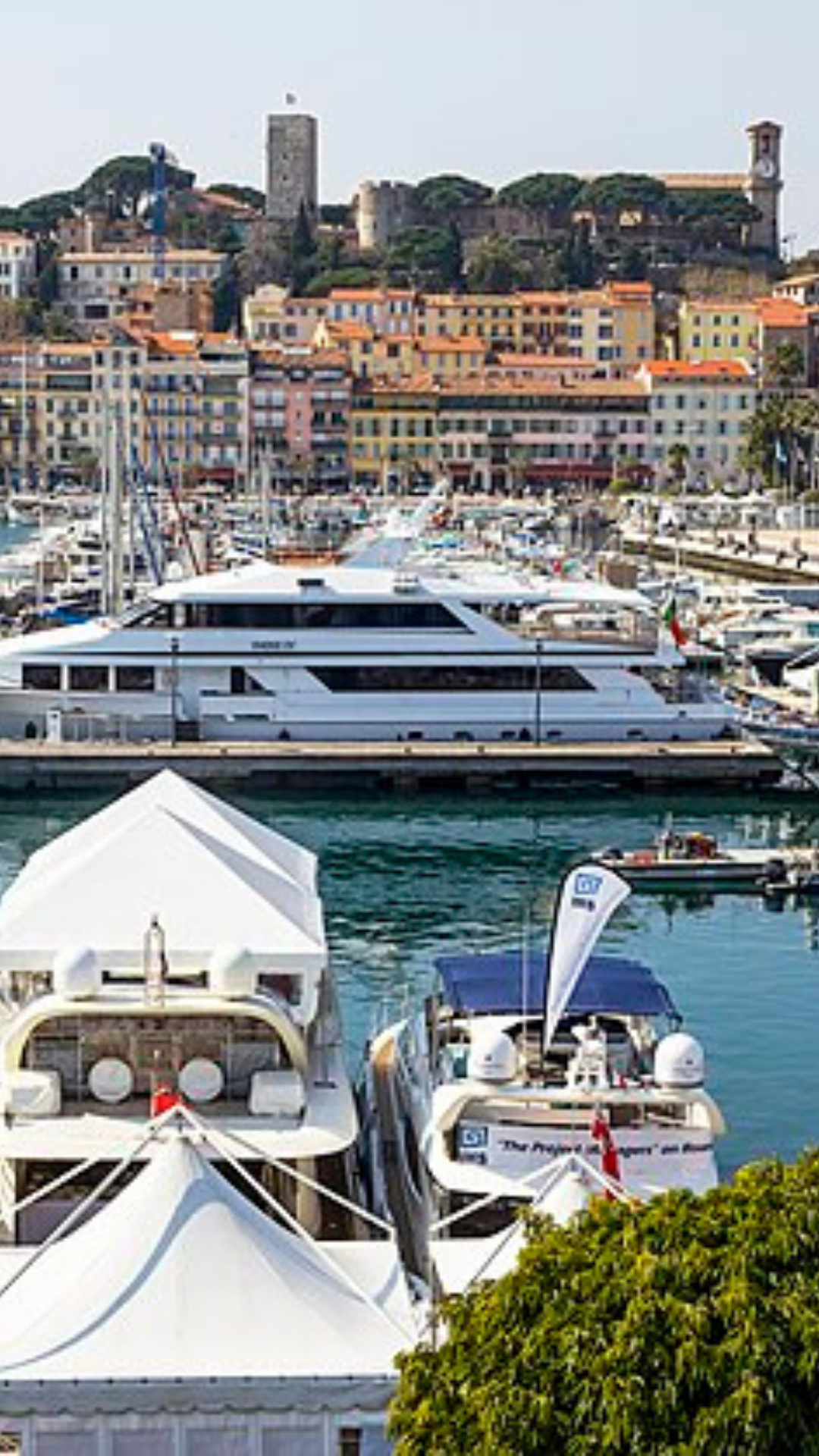
Everyone knows the Côte d'Azur. Few truly discover it. Behind the yachts and the grand promenades, there's another Riviera — one of ancient hilltop villages, wild red cliffs, island fortresses, and gardens that stop you in your tracks.

Thank you for reading this post, don't forget to subscribe!

These are the places we keep returning to. Not because they're famous — but because they're unforgettable.

Villa Ephrussi de Rothschild

Villa Ephrussi de Rothschild

Saint-Jean-Cap-Ferrat · Gardens & Architecture

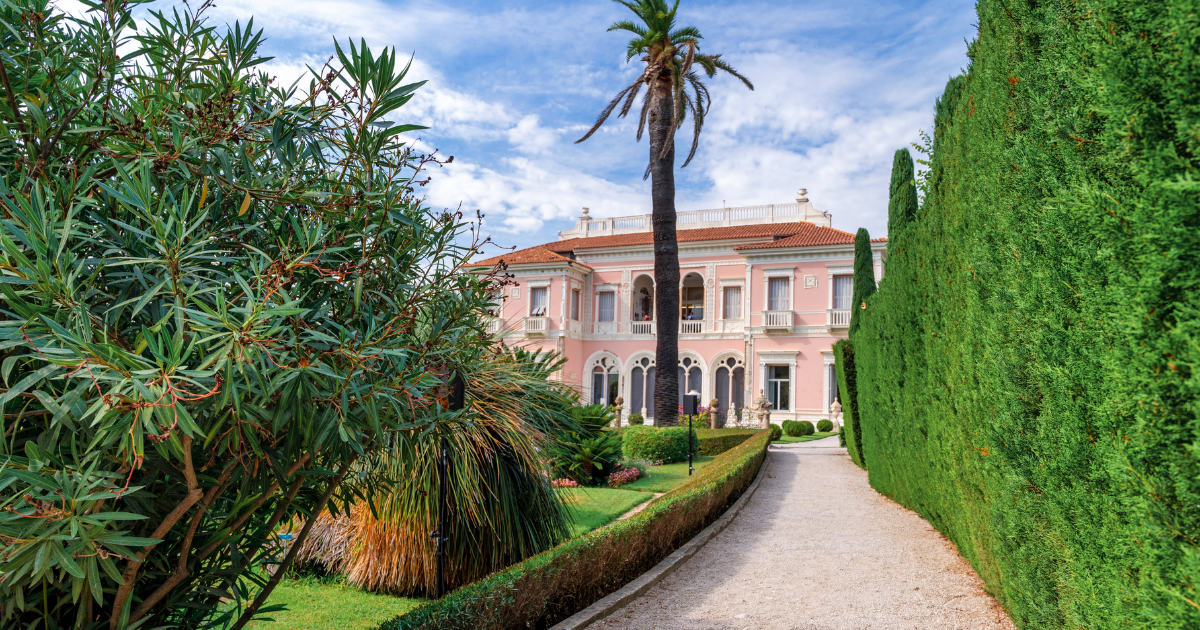
Perched on a narrow peninsula between Nice and Monaco, the Villa Ephrussi de Rothschild is one of the most extraordinary estates on the entire French Riviera — and arguably one of the most romantic properties in France. Built in the early 20th century for Béatrice Ephrussi de Rothschild, a woman of extraordinary taste and limitless resources, the villa is a love letter to beauty itself.

The building is a blush-pink Venetian-style palace, almost dreamlike against the backdrop of the Mediterranean. But it's the gardens that will truly stop you in your tracks. Nine themed gardens — French, Spanish, Florentine, Japanese, Exotic, Lapidary, Provençal, Rose, and Sèvres — unfold around the villa like chapters of a novel. Each one has its own character, its own perfume, its own light. Musical fountains dance on the hour, sending jets of water skyward in perfect synchrony with classical music, while you stand there wondering how any of this is real.

Inside, the villa houses an exceptional collection of 18th-century French decorative arts: Sèvres porcelains, Flemish tapestries, rare furniture, and paintings that once belonged to kings. Béatrice collected obsessively and brilliantly — every room is a curated world unto itself. She even had her staff dress as sailors, because she imagined the central garden as the deck of a great ocean liner.

Allow at least two to three hours here — one for the interior, and the rest to lose yourself in the gardens. Visit in spring when the roses are in bloom, or in summer when the fountains run all afternoon. Go early in the morning to have the terraces nearly to yourself, with the sea glittering on both sides of the cape. It is, without question, one of the jewels of the Côte d'Azur.

Visit Official Website →
Îles de Lérins

Îles de Lérins

Cannes · Islands & History

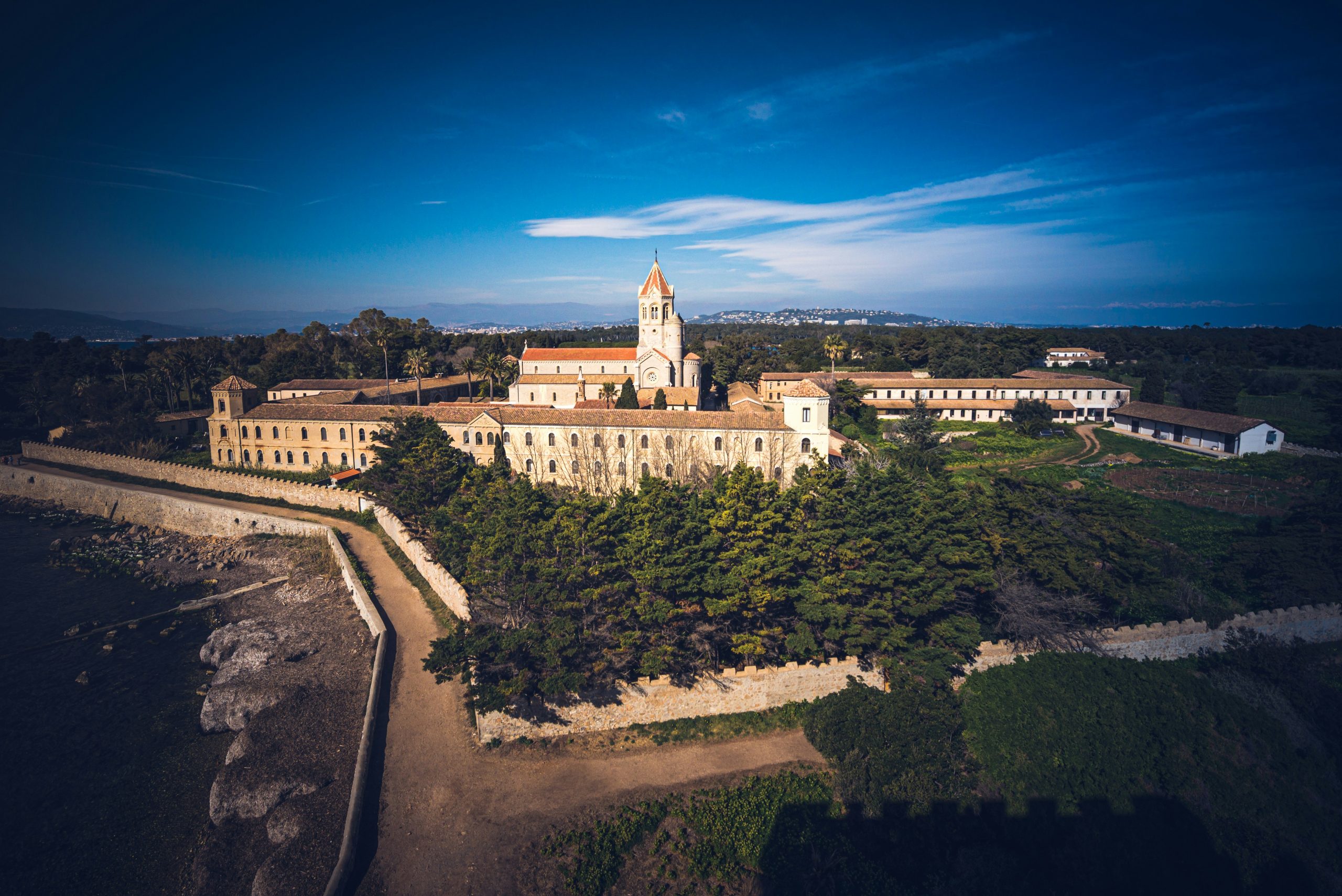
Just a short boat ride from the glitter of Cannes, the Îles de Lérins feel like another world entirely. Two small islands, Sainte-Marguerite and Saint-Honorat, sit quietly in the bay — green, unhurried, and full of secrets. Leave the yachts and the Croisette behind, and step into a piece of history that most visitors never bother to find.

Sainte-Marguerite is the larger of the two, and it hides one of the Riviera's most intriguing mysteries. The Fort Royal, a 17th-century fortress built under Richelieu and later reinforced by Vauban, housed one of history's most famous and baffling prisoners — the Man in the Iron Mask. For years, this anonymous prisoner was held here in secrecy, his identity concealed behind a velvet mask, never to be revealed. His cell still exists. You can stand in it. The walls have not changed. It is one of those rare moments where history stops feeling like a story and starts feeling entirely, uncomfortably real.

Beyond the fort, the island opens into a fragrant pine forest laced with walking trails. There are no cars, no crowds, no noise — just the sound of cicadas and the sea. Pack a picnic, find a rocky cove, and let the afternoon dissolve. The water here is impossibly clear, perfect for a swim before the last boat back to Cannes.

Saint-Honorat, the smaller island, is home to a working Cistercian monastery founded in the 5th century — one of the oldest in the Western world. The monks still produce wine, lavender honey, and liqueur, all available at their small shop. A visit here feels less like tourism and more like a genuine encounter with another way of life.

Ferries depart regularly from the Vieux Port in Cannes. Go on a weekday if you can, and bring good walking shoes. These islands are one of those rare places where the Côte d'Azur drops its glamorous mask — and becomes something far more captivating.

Visit Official Website →
Saorge

Saorge

Roya Valley · Medieval Village & Nature

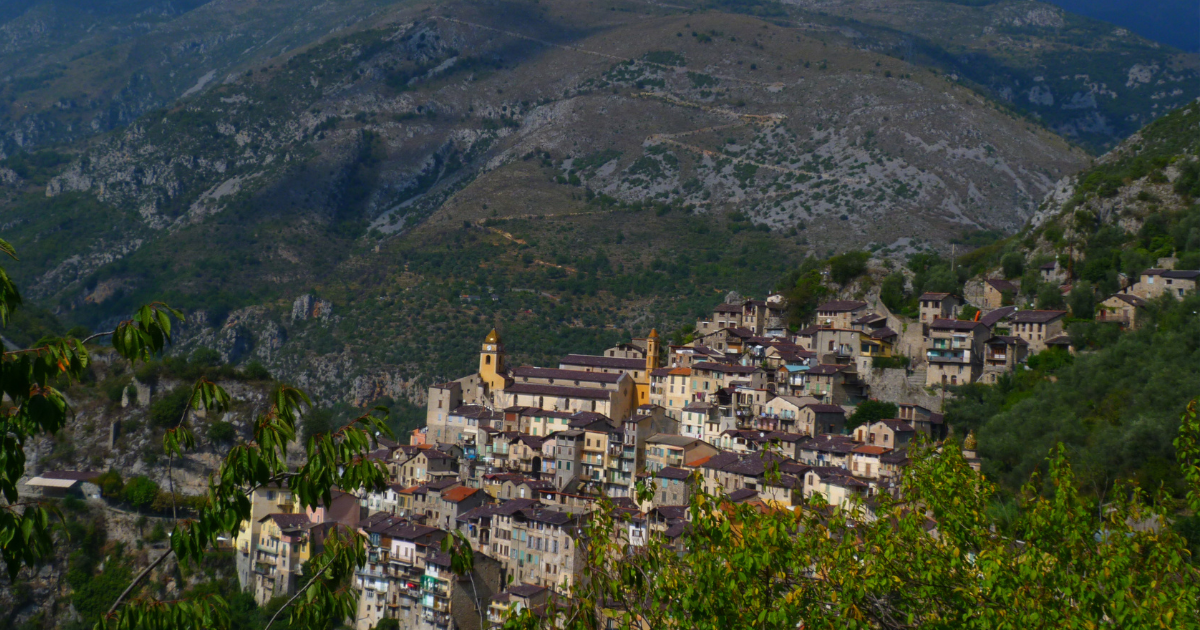
There are villages on the Côte d'Azur that are pretty. And then there is Saorge — a place that feels almost impossible, as if someone had stacked centuries of stone houses directly onto a vertical cliff face and dared them to stay. Perched high above the Roya gorges, deep in the hinterland behind Menton, this is one of the most dramatically situated medieval villages in all of France.

The approach alone is worth the journey. As you wind up through the gorge, Saorge suddenly appears above you — a cascade of terracotta rooftops and bell towers clinging to the mountainside at a dizzying angle. It seems to defy gravity entirely. Locals have lived here since the Middle Ages, and looking at it, you understand why — this was a village built to be impregnable, invisible to enemies below, commanding the entire valley.

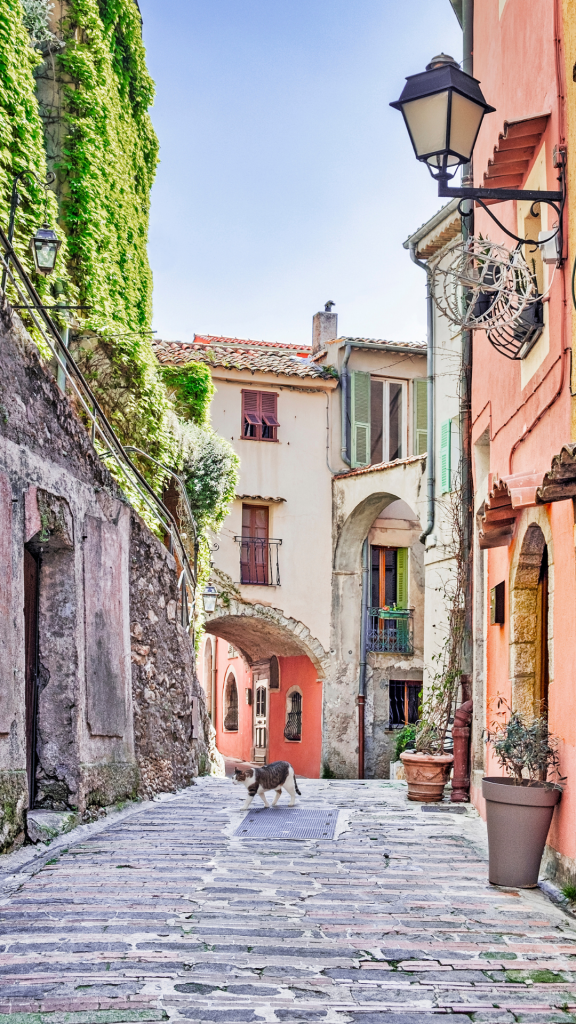
Inside, the village is a labyrinth of narrow vaulted passageways, steep cobbled lanes, and hidden staircases worn smooth by centuries of footsteps. There are no cars — the streets are too narrow, the gradients too steep. Everything moves slowly here. Cats sleep in doorways. Laundry drifts in the mountain breeze. Time has a different quality in Saorge.

The Franciscan monastery perched just above the village is a true gem — a 17th-century baroque masterpiece with painted ceilings, a peaceful cloister, and gardens overlooking one of the most breathtaking views in the region. It is now a centre for artists and writers, which feels entirely right for a place this atmospheric.

Saorge sits within the Mercantour National Park, making it an ideal base for hiking into wild mountain landscapes. The Roya valley around it is rich with rivers, waterfalls, and ancient mule tracks. Come here when you want the real Riviera — raw, unhurried, and utterly unforgettable.

Visit Official Website →
Vallée des Merveilles

Vallée des Merveilles

Mercantour · Prehistoric Art & Hiking

High in the Mercantour National Park, far above the palm trees and the glamour of the coast, lies one of the most extraordinary open-air museums on earth. The Vallée des Merveilles is home to over 40,000 Bronze Age rock engravings, etched into the mountainside between 1800 and 1000 BC by people whose names we will never know.

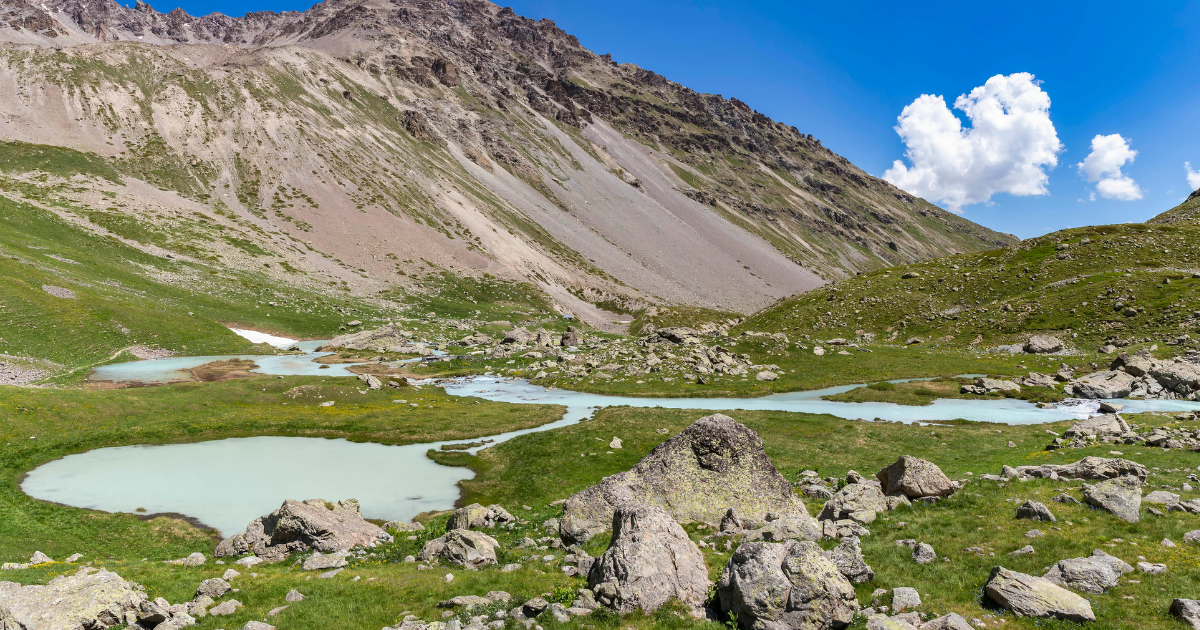
The figures carved into the rock are haunting and strangely modern — bulls, sorcerers, weapons, geometric shapes, human hands reaching across millennia. They cover the smooth glacier-polished rocks around Lac des Merveilles at over 2,000 metres altitude. Standing among them with nothing but wind and silence is one of the most affecting experiences the region has to offer.

The valley is only accessible on foot, which keeps it blissfully wild and uncrowded. The hike from Saint-Dalmas-de-Tende winds through alpine meadows, glacial lakes, and rocky ridges that open onto breathtaking panoramas at every turn. A certified guide is strongly recommended — without context, a rock is just a rock. With a good guide, it becomes a window into a world four thousand years old.

The engravings are concentrated in two areas — the Vallée des Merveilles and the nearby Fontanalba valley — forming the largest ensemble of Bronze Age rock art in Europe. The most iconic figure is the so-called Sorcerer, a mysterious horned silhouette that has become the symbol of the site. No one knows exactly what it represents. That ambiguity is part of what makes it so compelling.

Go between June and October when the trails are fully open. Wear proper hiking boots, bring warm layers, and plan for a full day. Leave your phone in your pocket and let the mountain do its work. This is not a quick detour — it is a pilgrimage into deep time, and it will stay with you long after you've come back down to the sea.

Visit Official Website →
Villa Kérylos

Villa Kérylos

Beaulieu-sur-Mer · Architecture & History

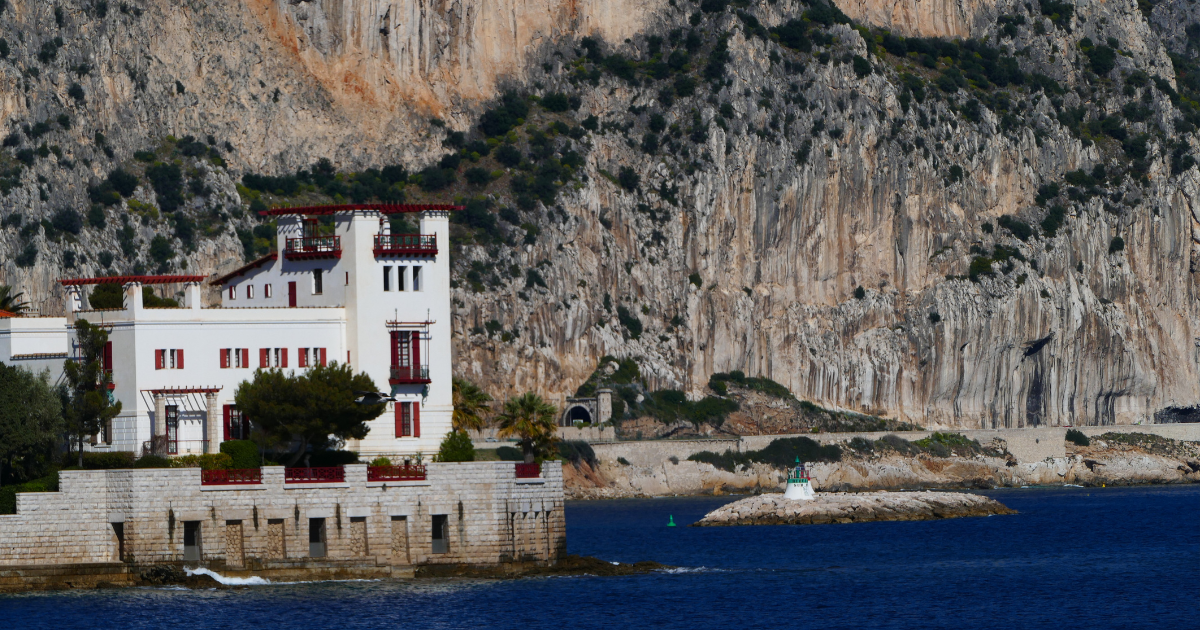
On a rocky promontory jutting into the Mediterranean between Nice and Monaco, Villa Kérylos stands as one of the most audacious follies on the entire Côte d'Azur. Built between 1902 and 1908 by archaeologist Théodore Reinach, it is a faithful reconstruction of an ancient Greek villa — transplanted, improbably and magnificently, onto the French Riviera.

Reinach was obsessed with ancient Greece. Not content with studying it from afar, he decided to live inside it. He commissioned architect Emmanuel Pontremoli to recreate every detail with scholarly precision — the marble floors, the painted frescoes, the bronze furniture, the mosaic courtyards. The result is extraordinary: a house that feels simultaneously ancient and impossible, as if it had always been here, waiting to be rediscovered.

Inside, every room tells a story. The andron, or men's hall, is lined with columns and opens onto the sea. The balneum — the bathing room — is tiled in intricate geometric patterns. The library holds replicas of ancient scrolls. Reinach lived here with his family for decades, dressing in Greek robes, reclining on marble benches, and hosting the great intellectuals of his day in what must have been the most unusual dinner parties in France.

The villa was donated to the French state in 1928 and is now classified as a historic monument. It sits within the Villa Ile-de-France estate, just a short walk from the Villa Ephrussi de Rothschild — making the two an natural pairing for a single extraordinary day on the cape. The views from the terraces, with the sea crashing against the rocks below, are among the finest on the Riviera.

Allow at least two hours to explore properly. The audio guide brings the rooms to life with detail that transforms the visit. Come in the morning when the light falls white and clean through the marble columns and the Mediterranean glitters beyond. It is a place unlike anything else — proof that the Côte d'Azur has always attracted people who dreamed on an impossible scale.

Visit Official Website →
Jardin Exotique d'Eze

Jardin Exotique d'Eze

Eze Village · Gardens & Views

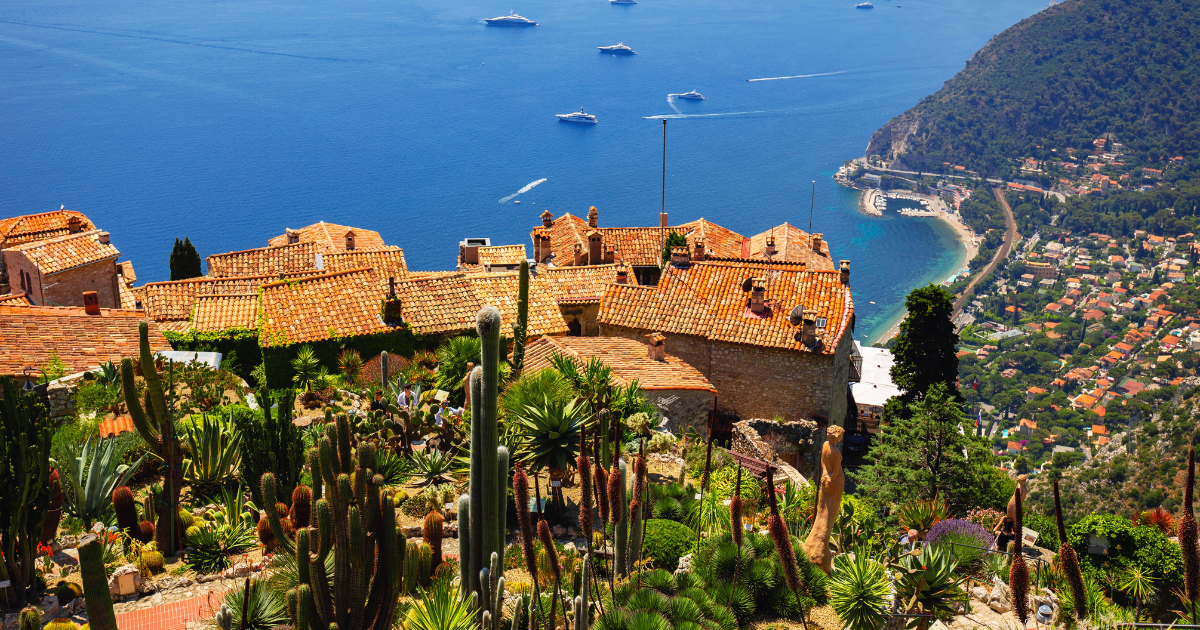
At 427 metres above the Mediterranean, the village of Eze is already one of the most spectacular places on the Côte d'Azur. But climb to its very summit, where the ruins of a medieval castle give way to an extraordinary exotic garden, and you will find one of the great views in all of France — a panorama so wide and so dazzling that it stops conversation entirely.

The Jardin Exotique was created in the 1950s on the site of the ancient fortress, and it has grown into a remarkable collection of cacti and succulents from around the world — towering candelabra euphorbias, sculptural agaves, flowering aloes in shades of orange and red. The plants grow directly from the rock, thriving in the heat and the thin mountain soil, shaped by wind and sun into forms that feel almost prehistoric.

Walking through the garden is an experience of contrasts — the soft and the sharp, the delicate and the monumental. Winding stone paths lead through the collection, climbing ever higher through narrow gaps between ancient walls. Around every corner, another fragment of sea appears between the plants, until finally you reach the top and the entire coastline opens before you, from Italy to the Esterel massif.

The village of Eze itself is worth lingering in. Its cobbled lanes are lined with galleries, perfumeries, and artisan boutiques, and the medieval architecture has been beautifully preserved. Fragonard has a perfume workshop here — the factory visit is free and genuinely fascinating, a sensory experience that pairs perfectly with the garden above.

Go in the late afternoon when the light turns golden and the crowds begin to thin. Wear comfortable shoes — the lanes are steep and the paths uneven. And give yourself more time than you think you need. Eze has a way of holding you, up there on its impossible rock above the sea, long past the moment you planned to leave.

Visit Official Website →
Sentier du Littoral d'Antibes

Sentier du Littoral d'Antibes

Antibes · Coastal Walk & Nature

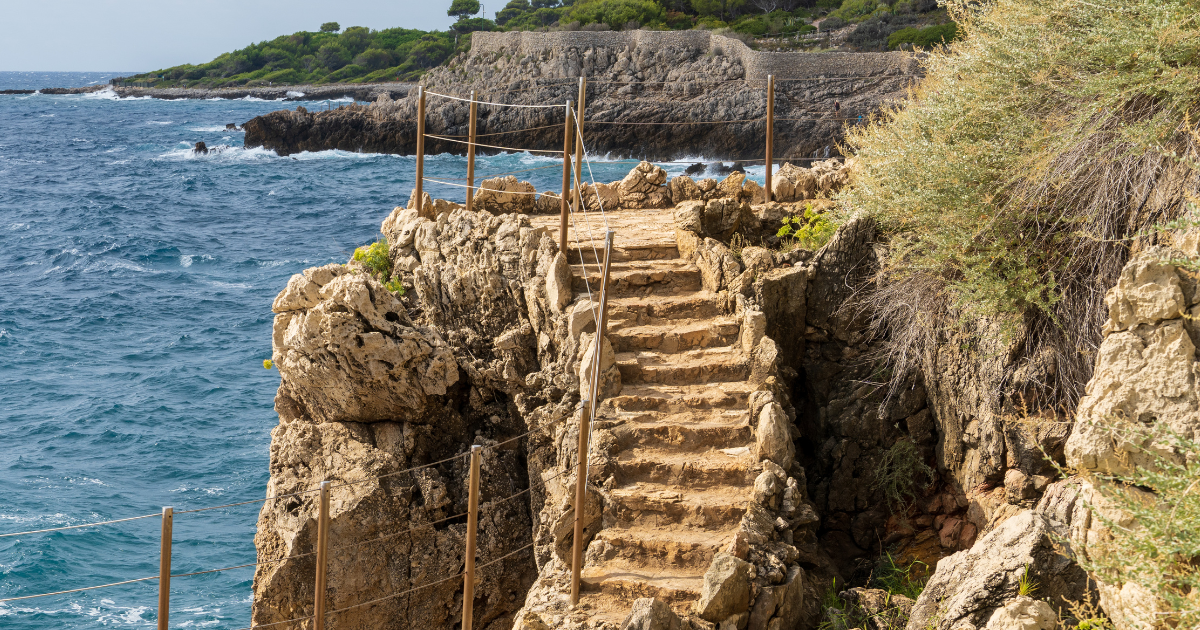
There are walks on the Côte d'Azur, and then there is the Sentier du Littoral at Antibes — a coastal path that hugs the wild rocky shoreline of the Cap d'Antibes for nearly five kilometres, from the Plage de la Gravette all the way to the Plage de la Garoupe. It is one of the most beautiful walks on the entire French Riviera, and one of the least expected.

The path winds along the very edge of the cap, where the land meets the Mediterranean in a dramatic series of rocky outcrops, hidden coves, and sea-carved cliffs. The water below is impossibly clear — deep turquoise in the open stretches, pale jade in the sheltered inlets. On a calm day, you can see straight to the bottom. On a windy day, the waves crash against the rocks with a force that reminds you the sea is not always gentle.

What makes this walk so special is its wildness. Despite being surrounded by some of the most expensive real estate on earth — the Cap d'Antibes is home to grand villas hidden behind ancient walls — the path itself feels raw and untamed. Pine trees lean over the rocks, wild rosemary scents the air, and the only sounds are the sea and the wind. It is a rare pocket of nature in a very glamorous neighbourhood.

Along the way, small ladders bolted into the rock allow you to descend to natural swimming spots — flat ledges where locals spread their towels and slip into the water with the ease of people who have been doing this all their lives. Pack a swimsuit, bring water and a picnic, and allow yourself to stop as often as the view demands. The path is well-marked but uneven in places, so proper footwear is essential.

Allow two to three hours for the full walk, more if you swim. Start early in summer to avoid the midday heat, or come in spring when the wildflowers are in bloom along the clifftops. The old town of Antibes and the Picasso Museum are just minutes away, making this an ideal pairing for a full and memorable day on the cap.

Visit Official Website →
Massif de l'Estérel

Massif de l'Estérel

Var · Nature & Coastal Landscapes

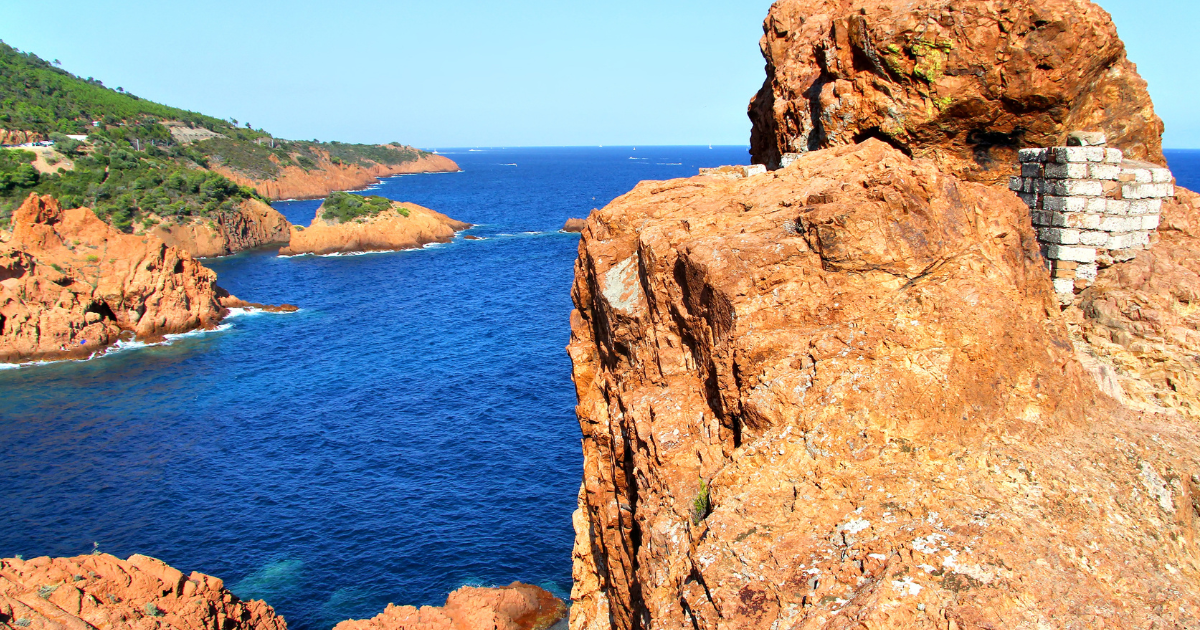
Between Cannes and Saint-Raphaël, the Côte d'Azur changes character entirely. The palm-lined promenades give way to something wilder, older, and far more dramatic — the Massif de l'Estérel, a volcanic mountain range that plunges directly into the Mediterranean in a blaze of deep red rock and vivid blue water. It is one of the most visually arresting landscapes in France, and one of the most undervisited.

The red comes from rhyolite, an ancient volcanic rock that turns extraordinary shades of crimson, rust, and burnt orange in the afternoon sun. Against the turquoise of the sea and the green of the scrubland, the colour contrast is almost violent in its beauty. Photographers come from across Europe for the light here, particularly at golden hour when the cliffs seem to glow from within. No filter required — and no exaggeration possible.

The massif is crisscrossed with hiking and mountain biking trails that wind through cork oak forests, climb to rocky summits, and descend to secret coves accessible only on foot. The highest point, Mont Vinaigre at 618 metres, offers a panorama stretching from the Alps to the Îles d'Hyères on a clear day. The Pic de l'Ours and the Cap Roux are equally spectacular, with sheer drops to the sea that make the views both breathtaking and slightly vertiginous.

Below the massif, the coastline is equally dramatic. The Corniche de l'Estérel — the coastal road between Cannes and Saint-Raphaël — is one of the great drives of the French Riviera, hugging the cliff edge above a succession of red rock coves and hidden beaches. Pull over wherever the view demands it, which will be often. The small creeks along this stretch are among the most beautiful and least crowded on the entire coast.

Spring and autumn are the best seasons to visit — the summer heat can be intense, and the risk of forest fires means some trails close in July and August. Come in April when the mimosa and wildflowers are still blooming, or in October when the light softens and the hills turn amber. The Estérel rewards those who leave the main road behind and venture into its wild, red-rocked interior.

Visit Official Website →
Blog Section — cotedazurrental
Stories from the Riviera

From the Blog

Twenty years on the Côte d'Azur — and still finding things nobody thought to write down. Real stories, real places, zero filter.

Côte d'Azur Esterel Riviera Reality
March 10, 2026

You Thought You Were Ready for the Côte d'Azur. You Were Not. 20 Things That Will Happen to You Anyway.

You researched. You planned. You packed light. The Côte d'Azur has a different agenda entirely — and it will not be negotiating.

It gets better. →
Dogs on the Riviera Life on the Riviera
March 8, 2026

Travelling the Côte d'Azur with Two Dogs — One Won't Get Out of the Car, the Other Won't Get Back In

Vicky is an English Setter of considerable beauty and absolutely zero courage. Lilou has never met a stranger. Every outing is an event.

It gets better. →
Cannes harbour Cannes Life
March 8, 2026

Five Years in Cannes: George Lucas, Elton John, and a Duck Confit.

Champagne with George Lucas, Karl Lagerfeld at dawn, Pete Doherty in a state, ten festivals a year — and the restaurant that told Hollywood to wait.

It gets better. →
A Canadian in France My Story
March 8, 2026

A Canadian, a Car Full of CVs, and the Best Mistake I Ever Made

I came to France for a summer. I stayed for twenty years. I let destiny decide — destiny picked Cannes. Obviously.

It gets better. →
0 0 votes
Article Rating
Subscribe
Notify of
guest
0 Comments
Oldest
Newest Most Voted
Inline Feedbacks
View all comments